As parents, we often wonder what truly matters in the early years of our child’s life. Is it learning numbers quickly? Speaking fluent English? Writing neatly before kindergarten?
In the rush to prepare children for the future, it is easy to overlook something far more powerful: happiness.
Between the ages of two and six, children are not just learning letters and sounds. They are learning how to feel safe, how to express themselves, how to build friendships, and how to understand the world around them. These early experiences shape their confidence, curiosity, and love for learning for years to come.
At this tender stage, happiness is not a luxury. It is the foundation.
Understanding Early Childhood Beyond Academics
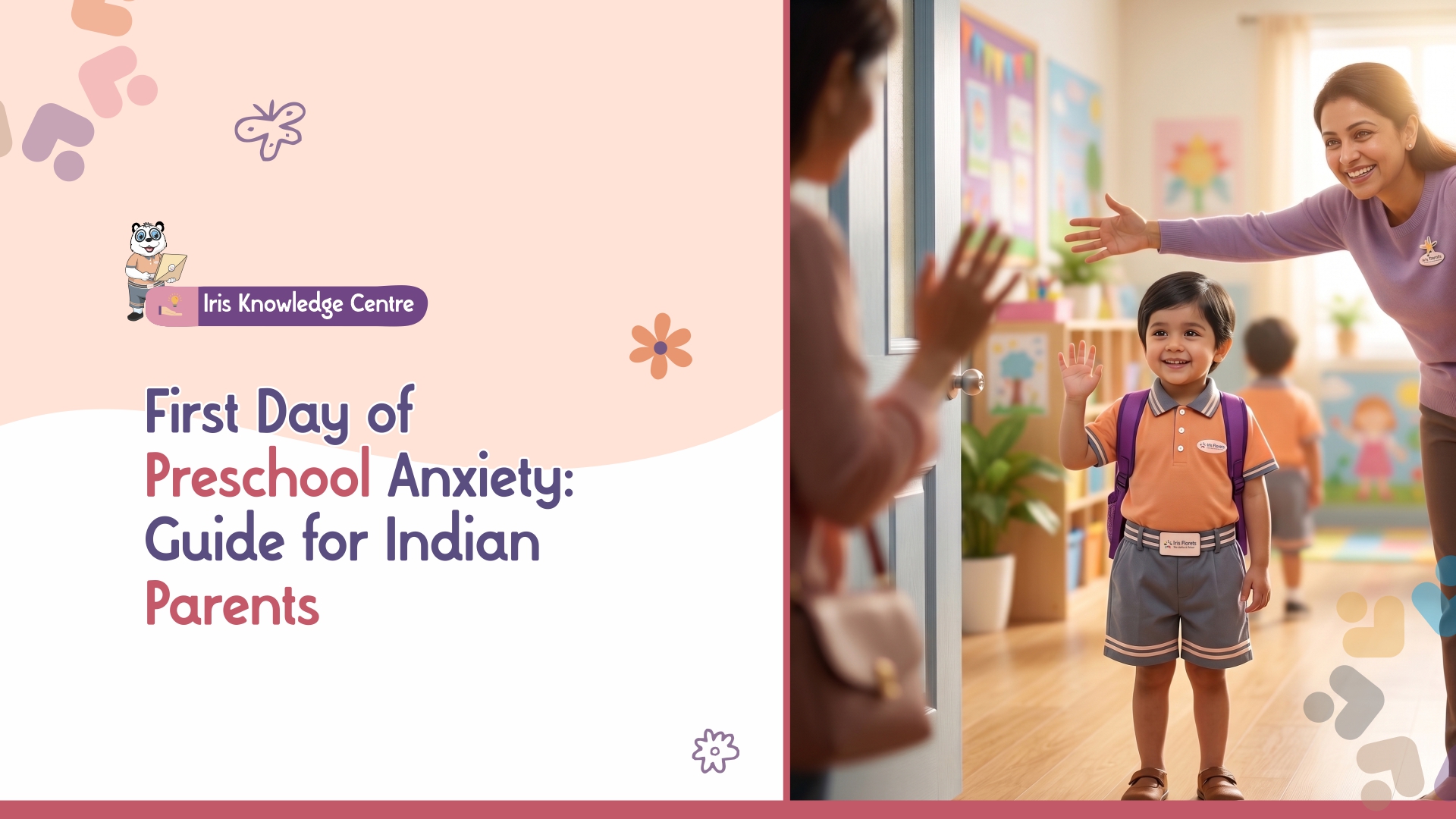
When a child walks into preschool for the first time, they are stepping into a world that feels big and unfamiliar. They are learning to separate from parents, follow simple routines, share toys, and express emotions with words instead of tears.
These are big milestones.
Early childhood development is deeply connected to emotional security. When children feel happy and safe, their brains are more open to learning. They listen better. They explore more. They ask questions. They try again when something feels difficult.
On the other hand, if a child feels anxious or pressured, learning becomes harder. Curiosity fades. Confidence shrinks.
This is why a nurturing preschool environment matters so much. Academic readiness is important, but emotional readiness comes first. A joyful space builds both naturally.
Why Emotional Safety Is Essential in the Early Years
Confidence Begins with Feeling Safe
A confident child is not one who knows all the answers. It is one who feels comfortable asking questions.
In the preschool years, children are discovering their voices. They are learning how to say, “I need help,” or “I can do it myself.” When teachers respond with warmth and patience, children begin to trust their environment.
That trust becomes confidence.
Curiosity Grows in Happy Spaces
Children are naturally curious. They want to touch, explore, build, and imagine. But curiosity thrives only when children feel free to make mistakes.
In a happy, play-based preschool, mistakes are not corrected with fear. They are seen as part of the learning process. A spilled paint cup becomes a lesson in responsibility. A puzzle that does not fit becomes an opportunity to try again.
This mindset builds resilience, a skill far more valuable than memorizing facts.
The Power of Play in Early Learning
Play is often misunderstood as “just fun.” But for young children, play is serious learning.
When children build blocks together, they learn teamwork. When they engage in pretend play, they develop language and imagination. When they sing songs or listen to stories, they strengthen memory and listening skills.
A quality preschool understands this balance. Structured learning and free play work hand in hand. Through play, children develop:
- Social skills
- Emotional regulation
- Early literacy and numeracy
- Problem-solving abilities
- Creativity and independent thinking
These skills form the true foundation of school readiness.
How a Joyful Play School Environment Makes a Difference
The atmosphere of a preschool shapes a child’s experience more than we realize. Bright classrooms, gentle routines, caring educators, and positive interactions create a sense of belonging.
When children feel seen and heard, they bloom.
At Iris Florets – The Happy Play School, happiness is not an afterthought. It is central to everything. Classrooms are designed to encourage exploration. Teachers guide children with empathy and understanding. Activities are thoughtfully planned to support emotional, social, and cognitive development together.
Instead of focusing only on worksheets or outcomes, the emphasis remains on joyful discovery. A child who laughs, shares, listens, and explores with confidence is truly learning.
This approach does more than prepare children for primary school. It prepares them for life.
Looking at the Bigger Picture of Early Education
Many first-time parents worry about choosing the “right” preschool. It is natural to think about academics and future success. But the early years are not about racing ahead.
They are about building strong roots.
A preschool that values happiness, kindness, and curiosity gives children the courage to face new experiences. It nurtures empathy. It encourages communication. It builds independence gently, without pressure.
When children associate learning with joy, they carry that love for learning forward. They grow into confident, compassionate, and eager students.
That is the real goal of early childhood education.
As you watch your little one grow, remember that childhood is not a checklist. It is a season of wonder.
The laughter during circle time. The excitement of finishing a puzzle. The pride in tying shoelaces for the first time. These small moments shape big futures.
A preschool experience rooted in happiness helps children feel secure enough to try, fail, and try again. It teaches them that learning is not something to fear but something to enjoy.
At Iris Florets – The Happy Play School, this belief guides every interaction. Because when children feel happy, they feel confident. When they feel confident, they learn. And when they learn with joy, they thrive.
In the end, the strongest foundation you can give your child is not early mastery of academics, but a heart that feels safe, curious, and ready to grow.
If you would like your child to begin this joyful learning journey, you can find the nearest Iris Florets preschool near you and explore the world of happy learning.