The human brain develops faster between birth and age five than at any other point in life. By the time your child starts primary school, approximately 90% of their brain architecture is already formed. This doesn’t mean the other years don’t matter — they absolutely do. But it does mean that the early years carry disproportionate weight.
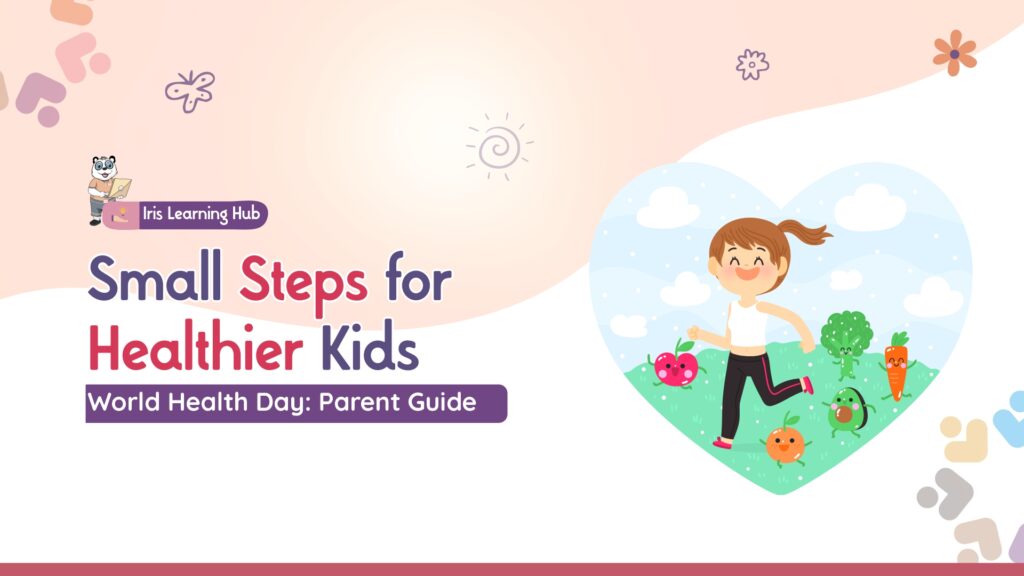
The World Health Organisation defines health not merely as the absence of disease, but as a state of complete physical, mental, and social well-being. For a 3-year-old, that definition looks like enough nutritious food to fuel a growing body, enough physical movement to develop motor skills and coordination, enough emotional security to build confidence and manage feelings, and enough social interaction to learn empathy, sharing, and communication.

1. Sleep — the most underrated developmental tool
Families often underestimate how much sleep a young child genuinely needs. Children between ages 3 and 5 need between 10 and 13 hours of sleep every 24 hours, including naps. Sleep is not downtime for a child’s brain — it is when the brain processes everything it learned that day, consolidates memories, and releases the growth hormones that fuel physical development.
Signs your child may be consistently undersleeping: difficulty waking in the morning, emotional outbursts in the late afternoon, trouble concentrating during activities, and hyperactivity that seems illogical but is actually a sign of overtiredness.
 2. Movement — not just playtime, but brain development
When your child runs, climbs, jumps, and rolls, they are not simply burning energy. They are building the neural pathways that will later support reading, writing, mathematical thinking, and emotional regulation. Gross motor development and cognitive development are far more connected than most parents realise.
The concern in recent years — observed consistently across early childhood settings — is that screen time is quietly replacing movement time. A child who spends three hours on a tablet is a child who has not spent three hours developing the physical and neurological foundations they need. This is not a judgement on parents — screens are genuinely useful, and every family navigates this differently. But on World Health Day, it is worth examining the balance honestly.


3. Nutrition — variety over perfection
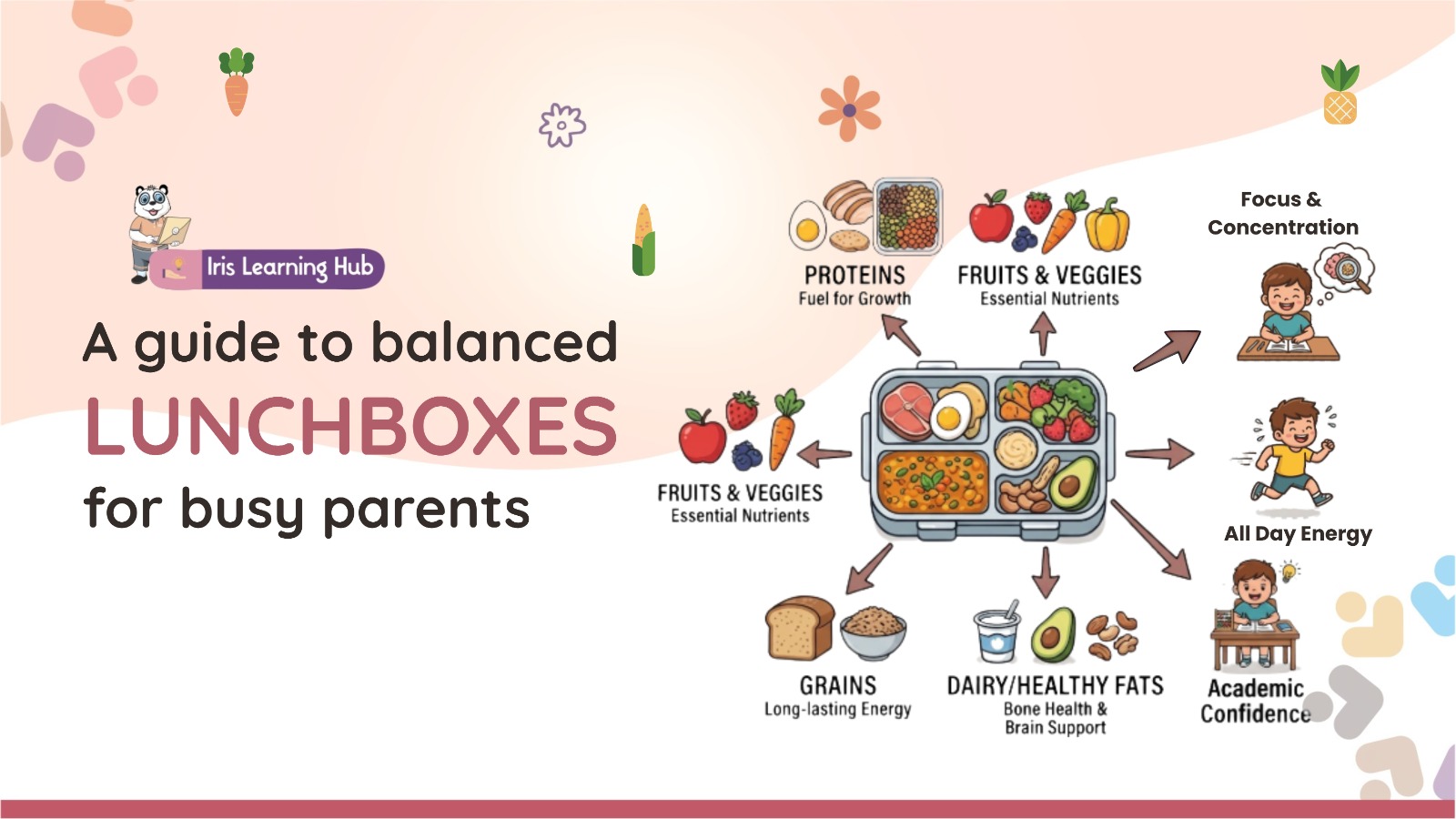
 The most common nutritional mistake among parents of young children is not giving too little food — it is giving too little variety. A child who eats only a handful of familiar foods is missing out on the broad spectrum of nutrients found in diverse fruits, vegetables, grains, and proteins. The goal is not a perfect diet every day, but a varied enough diet across the week that the body receives what it needs to grow.
Practical starting point: try introducing one new food alongside two familiar favourites at every meal. The familiar foods reduce resistance; the new food gets an opportunity without pressure. Repeated, low-pressure exposure — research suggests it can take 10 to 15 exposures for a child to accept a new food — is far more effective than forcing.
 4. Emotional health — the silent pillar
When parents think about a child’s health, they naturally think about the physical. But emotional health in the early years — a child’s ability to recognise, express, and manage their feelings — is equally foundational. Children who develop emotional literacy early are more resilient to stress, perform better academically, form healthier relationships, and are less vulnerable to anxiety and depression in adolescence.
The single most powerful thing you can do for your child’s emotional health is to name emotions as they happen. “I can see you’re frustrated that the blocks fell over. That’s a really annoying feeling.” This simple act — labelling the emotion, validating it, and staying calm — teaches emotional vocabulary, models regulation, and strengthens the parent-child bond simultaneously.

5. Social connection — health through relationships
Humans are fundamentally social creatures, and children need regular interaction with peers — not just adults — to develop the skills of negotiation, empathy, turn-taking, and conflict resolution. These skills do not develop through instruction. They develop through experience: the messy, repeated, sometimes frustrating process of playing with other children.
If your child spends most of their time in adult company or in individual screen-based activity, their social development may be slower to emerge — not because anything is wrong with them, but because the practice environment isn’t there. Regular group play, structured activities with peers, and unstructured outdoor time with other children are all part of a healthy developmental diet.

A simple World Health Day checklist for parents
- Set a consistent bedtime — same time every night, even on weekends
- Ensure at least 60 minutes of active outdoor play every day
- Introduce one new food this week — without pressure, alongside familiar favourites
- Name one emotion out loud today — yours or your child’s — and talk about it briefly
- Arrange one peer play session this week — structured or unstructured
- Review screen time honestly — is it replacing movement or social play?

What a health-supportive learning environment looks like
Home is not the only place where these pillars are built. The environment where a child spends their mornings — their preschool or early learning centre — plays a significant role in their physical and emotional health. When evaluating any early learning setting, it is worth asking: Does this place prioritise movement, not just academics? Are there outdoor spaces for unstructured play? Do the educators model emotional literacy and respond to children’s feelings with patience? Is nutrition taken seriously?
Across Iris Florets’ network of schools, these questions shape how every day is designed — from the physical layout of classrooms built to encourage movement to curricula that weave social-emotional learning into every activity. A child spends a significant portion of their waking hours at school; that environment is either building their health or eroding it.