Starting preschool is a significant milestone in your child’s life, marking their first step into formal education. As parents, preparing your little one for this transition can help ease anxiety and set them up for a positive experience. Whether you’re considering a play school near you or exploring preschool options in Hyderabad, these ten essential preparation steps will help your child thrive in their new environment.
1. Establish a Consistent Daily Routine
Children thrive on predictability and structure. Begin establishing a routine similar to what they’ll experience at preschool at least 2-3 weeks before the first day. Set regular times for waking up, meals, play, and bedtime. This helps your child’s internal clock adjust and reduces the shock of sudden schedule changes.
Practice morning routines that include getting dressed independently, eating breakfast within a set timeframe, and preparing to leave the house. This preparation makes the actual school day feel familiar rather than overwhelming.
2. Develop Basic Self-Care Skills
Preschool teachers appreciate when children arrive with fundamental self-care abilities. Focus on teaching your child to:
- Use the toilet independently and communicate bathroom needs
- Wash their hands properly with soap and water
- Put on and take off their shoes
- Open their lunch box and water bottle
- Use tissues to wipe their nose
These skills boost your child’s confidence and help them feel more independent in the classroom environment. Remember, perfection isn’t expected, but basic competence makes the transition smoother for everyone.
3. Practice Separation from Parents
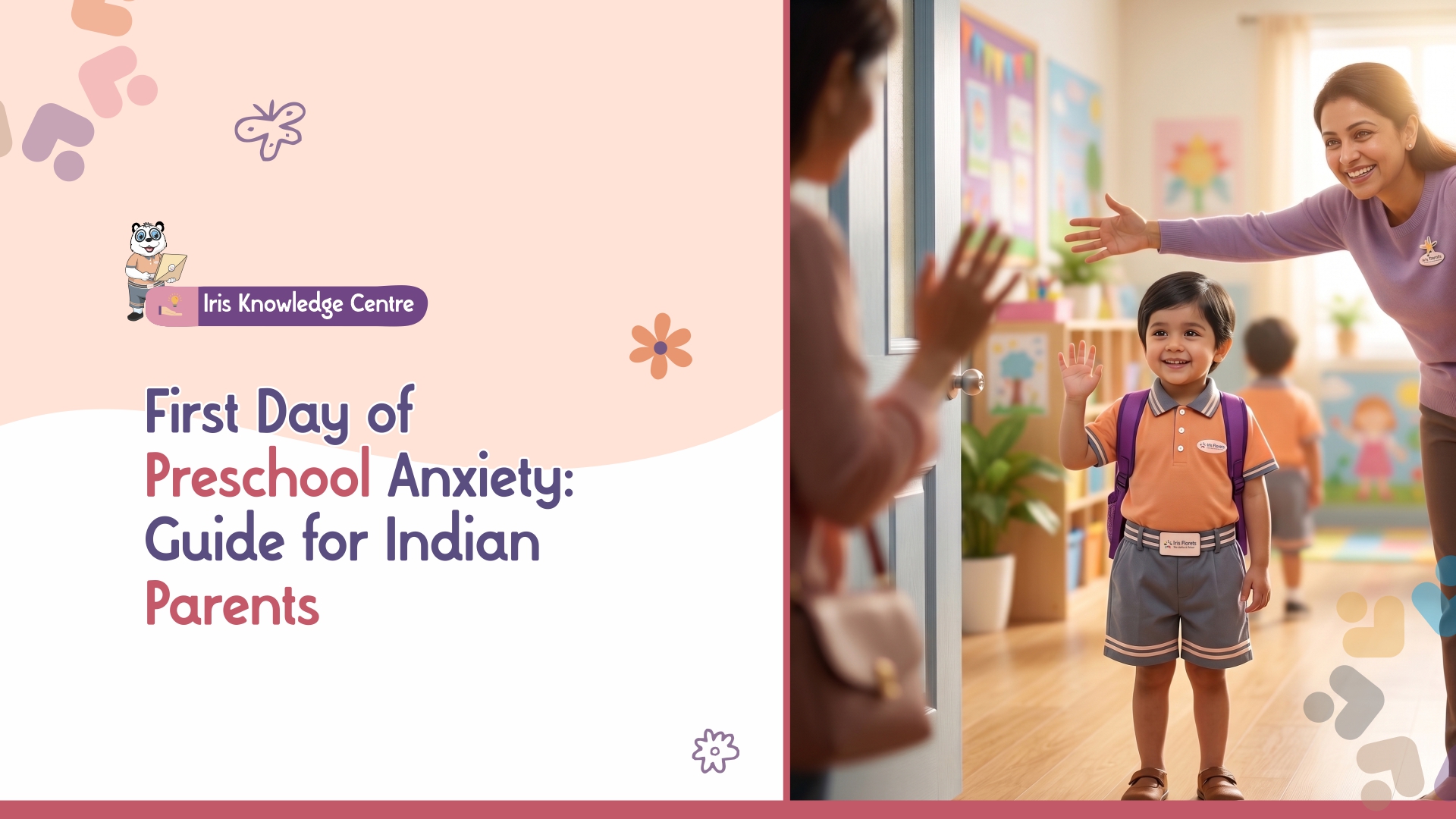
Separation anxiety is natural, but you can minimise it through gradual preparation. Start with short separations at home—leave your child with a trusted family member while you run errands. Gradually increase the duration and frequency of these separations.
Visit your chosen preschool together before the first day if possible. Let your child explore the classrooms and playground while you’re present. This familiarization reduces fear of the unknown and helps them associate the space with positive experiences.
Always maintain a positive attitude about preschool and avoid showing your own anxiety. Children are incredibly perceptive and will pick up on your emotions.
Pro Tip: At Iris Florets, we encourage parent visits before enrolment. Book a personalized preschool tour. to see our play-based learning environment and meet our experienced teachers. Your child can explore our classrooms and playground while you’re there!
4. Encourage Social Interaction Skills
Preschool is as much about socialization as it is about learning. Arrange playdates with other children to help your little one practice sharing, taking turns, and communicating with peers. Visit parks, playgrounds, or community centers where they can interact with children their age.
Teach basic social phrases like “please”, “thank you”, “Can I play too?”, and “I need help.” Role-play common scenarios like asking to join a game or resolving conflicts over toys. These social scripts give children the language they need to navigate friendships.
5. Build Independence Through Choice-Making
Empower your child by offering age-appropriate choices throughout the day. “Do you want to wear the blue shirt or the red shirt?” “Would you like apple slices or a banana for snack?” These simple decisions build confidence and decision-making skills.
Encourage them to complete simple tasks independently, even if it takes longer. Let them pour their own water (with supervision), carry their own small backpack, or choose which book to read before bed. Independence in preschool starts with independence at home.
6. Introduce Early Learning Concepts
While academic pressure isn’t appropriate for preschoolers, introducing basic concepts through play prepares them for classroom activities. Practice:
- Recognizing and naming colors
- Counting objects during daily activities
- Identifying shapes in the environment
- Singing alphabet songs
- Recognizing their own name in writing
Make learning natural and fun rather than forced. The goal is familiarity, not mastery. Children who’ve been exposed to these concepts at home feel more comfortable participating in classroom activities.
7. Develop Fine Motor Skills
Many preschool activities require developed fine motor control. Provide opportunities for your child to practice:
- Holding and using crayons, markers, and pencils
- Using safety scissors to cut paper
- Building with blocks or Lego
- Stringing beads or manipulating playdough
- Turning pages in books
- Using spoons and forks effectively
These activities strengthen the small muscles in hands and fingers, making classroom tasks like colouring, cutting, and writing easier and more enjoyable.
8. Practice Following Simple Instructions
Preschool classrooms require children to follow multi-step directions. Start with simple, one-step instructions at home: “Please put your toy in the box.” Gradually progress to two-step directions: “Put your toy away and then come to the table.”
Make it a game by creating treasure hunts or obstacle courses that require following sequential instructions. This skill is crucial for classroom management and helps children feel successful when they can complete tasks as directed.
10. Establish Healthy Sleep and Nutrition Habits
A well-rested, well-nourished child is better equipped to handle the challenges of preschool. Establish a bedtime that allows for 10-12 hours of sleep. Create a calming bedtime routine that helps your child wind down.
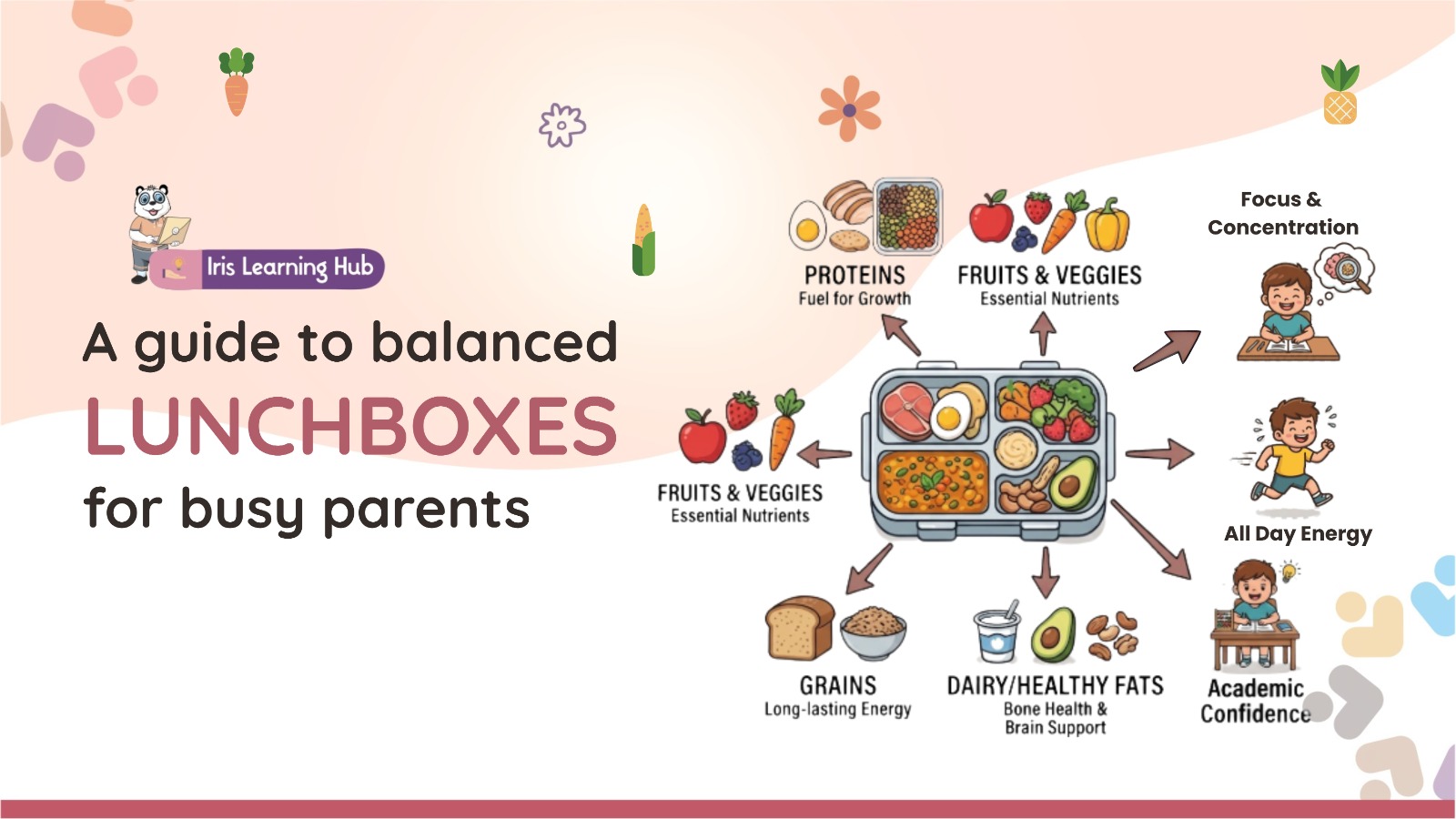
Introduce nutritious snacks and meals that you might pack for preschool. If your child is a picky eater, work on expanding their food preferences gradually. Pack familiar favourites along with one new item to encourage trying new foods without pressure.
Ensure your child drinks enough water throughout the day and recognizes when they’re hungry or thirsty. These basic self-awareness skills help them communicate their needs at school.
Making the Transition Smooth
Remember, every child develops at their own pace. Some children transition to preschool seamlessly, while others need more time and support. Be patient with your child and maintain open communication with their teachers about any concerns.
The benefits of preschool—socialisation, early learning, and independence—are well worth the preparation effort. By taking these proactive steps, you’re giving your child the foundation they need for preschool success and a lifelong love of learning
Whether you’re exploring play school options in your neighborhood or researching the best preschool franchises,
remember that choosing the right preschool matters as much as preparation. Look for schools that emphasize play-based learning, have experienced teachers, and create nurturing environments where children feel safe to explore and grow.
Starting preschool is a significant step, but with proper preparation, it can be an exciting and positive experience for both you and your child.
Find Your Nearest Iris Florets Happy Play School
With over 150+ branches across India, there’s likely an Iris Florets near you! We offer:
✅ Play-based learning curriculum
✅ Experienced and caring teachers
✅ Safe, nurturing environment
✅ Nursery to Sr. KG programs
✅ Daycare facilities at select locations
Popular Locations:
Hyderabad:
- Iris Florets Gachibowli
- Iris Florets Kondapur
- Iris Florets KPHB
- Iris Florets Ameenpur
- Iris Florets Nallagandla
- Iris Florets Padmarao Nagar
- Iris Florets Miyapur
- Iris Florets Manikonda
View All Locations →
Schedule Your School Tour Today
Experience the Iris Florets difference firsthand! During your personalized tour, you’ll:
🏫 Explore Our Facilities – See our colorful classrooms, play areas, and learning spaces
👩🏫 Meet Our Teachers – Connect with our experienced, caring educators
📚 Learn About Our Curriculum – Understand our play-based learning approach
🎨 See Activities in Action – Watch children engaged in creative learning
💬 Ask Questions – Get answers to all your preschool concerns
Frequently Asked Questions
What age should my child start preschool?
Most children start between 2.5 to 3 years old. We offer programs from Nursery (2.5 years) to Sr. KG (5+ years).
Do you offer trial days before admission?
Yes! We encourage trial visits so your child can experience our environment. Book a trial session.
What is the teacher-to-student ratio?
We maintain a 1:10 ratio to ensure personalized attention for every child.
Do you provide transportation?
Transportation availability varies by location. Check with your nearest branch during your tour.
What are your school timings?
Standard timings are 9:00 AM – 1:00 PM. Extended daycare available at select locations.